
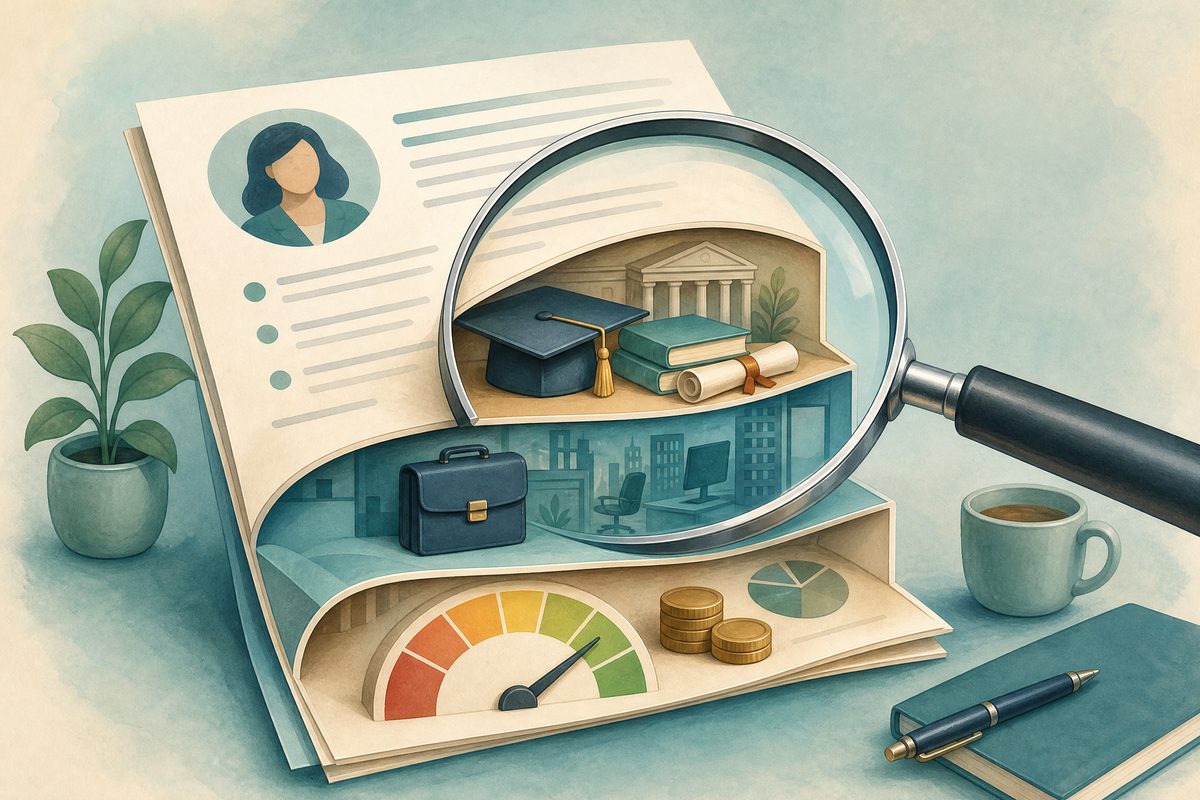
Suddenly, you're sweating. Did you put November or December for that internship five years ago? Does that speeding ticket from college show up? What if your last company went out of business?
Background checks are the black box of the hiring process. But they aren't actually looking for perfection. They are looking for fraud. Here is exactly what startups are checking, how the systems work, and how to handle discrepancies.
What They Actually Check
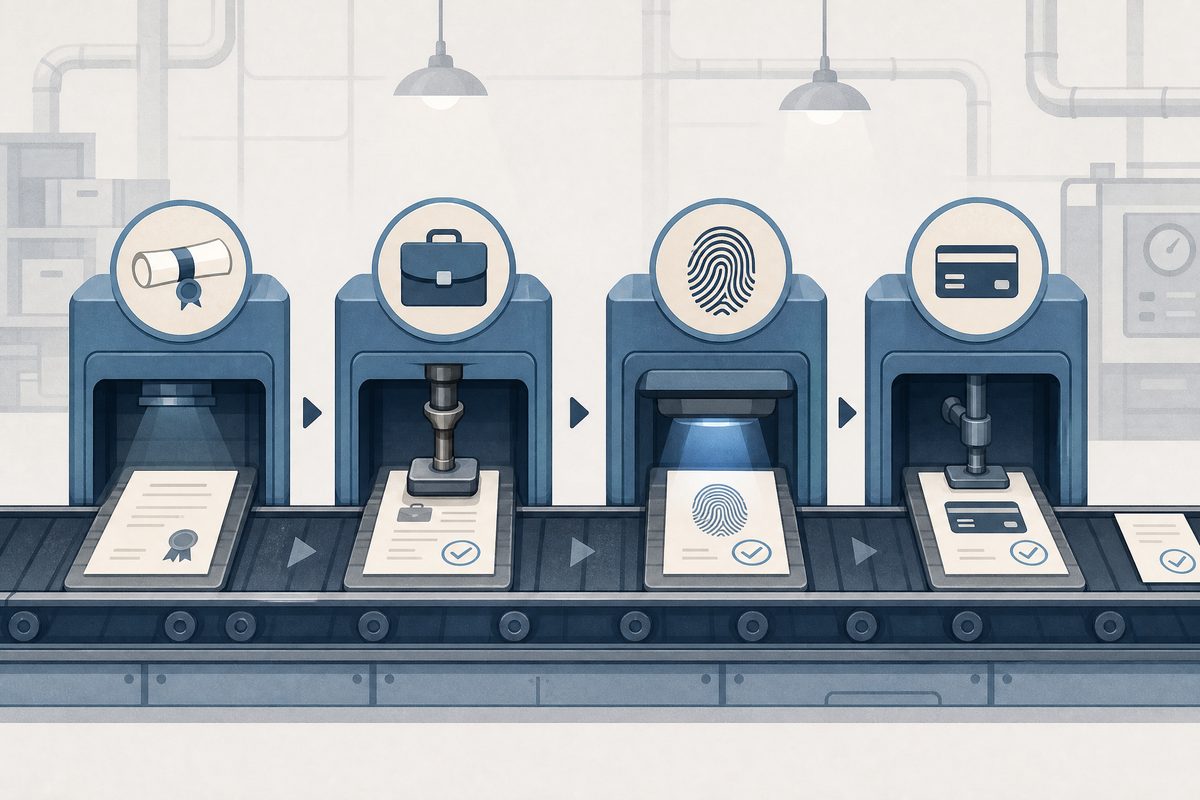
Most startups use third-party services (Checkr is the most common in tech). A standard startup background check typically covers three things:
- Identity Verification: SSN trace to confirm you are who you say you are.
- Criminal Record: County, state, and federal database searches (usually going back 7 years).
- Employment Verification: Confirming dates of employment and job titles.
What they usually don't check (unless you are in finance, healthcare, or an executive role): credit scores, drug testing, or deep-dive reference interviews.
The Employment Verification Trap: "The Work Number"
This is where most people get tripped up. How do they verify you worked at Stripe from 2022 to 2024?
They don't call your old manager. They use automated databases, the biggest being Equifax's The Work Number. If your previous employer used a major payroll provider (like ADP, Gusto, or Rippling), your employment dates and titles are likely in this database.
The Danger: The database pulls your official HR title. If your official title was "Software Engineer II" but your resume says "Senior Backend Engineer," the background check will flag a discrepancy.
The Fix: If you used a functional title on your resume rather than your HR title, get ahead of it. Tell the recruiter: "Just a heads up for the background check—my internal HR title was 'Marketing Associate,' but my functional role and the title I used externally was 'Growth Marketing Manager.'" They won't care, as long as you tell them before the report flags it.
What If Your Past Startup Went Under?
If you worked at a startup that no longer exists, the automated databases might come up empty, and there is no HR department to call.
The background check company will flag this as "Unable to Verify." They will then ask you to provide proof of employment. Have these ready:
- W-2 forms from that tax year
- Your first and last paystubs
- An offer letter or termination letter
Keep a digital folder of W-2s and final paystubs for every job you leave. It will save you a massive headache later.
The Criminal Record Panic
If you have a misdemeanor or felony, the worst thing you can do is lie about it if asked on the application. The background check will find it.
However, "Ban the Box" laws in many states (like California and New York) prohibit employers from asking about criminal history until after a conditional offer is made. If something comes up, the employer must do an "individualized assessment"—meaning they have to consider if the specific offense actually relates to the job (e.g., a DUI won't disqualify a software engineer, but embezzlement will disqualify a VP of Finance).
How to Survive the Process
1. Freeze The Work Number (Optional but smart): If you are currently employed and interviewing secretly, or if you are "Overemployed" (working two remote jobs), you can legally request a freeze on your Work Number report. This forces the background check company to ask you for paystubs instead of pulling your data automatically.
2. Don't lie about degrees: Education verification is a simple database lookup (National Student Clearinghouse). If you are three credits short of graduating, do not say you have a degree. Say "Coursework completed towards B.S." Lying about a degree is the fastest way to get an offer rescinded.
3. Be proactive: If you know a discrepancy is going to appear (exact dates are off by a month, company changed names, HR title differs), email the recruiter the day you submit the form. "Hey, just wanted to clarify X before the report comes back."
Background checks are designed to catch liars, not people with messy resumes. Be honest, have your W-2s ready, and you'll pass without issue.