Most candidates send a generic template: "Thank you for your time today. I enjoyed learning about the role and am very excited about the opportunity. I look forward to hearing from you."
This email does absolutely nothing. It doesn't hurt you, but it certainly doesn't help you. A startup hiring manager reads it, archives it, and forgets it three seconds later.
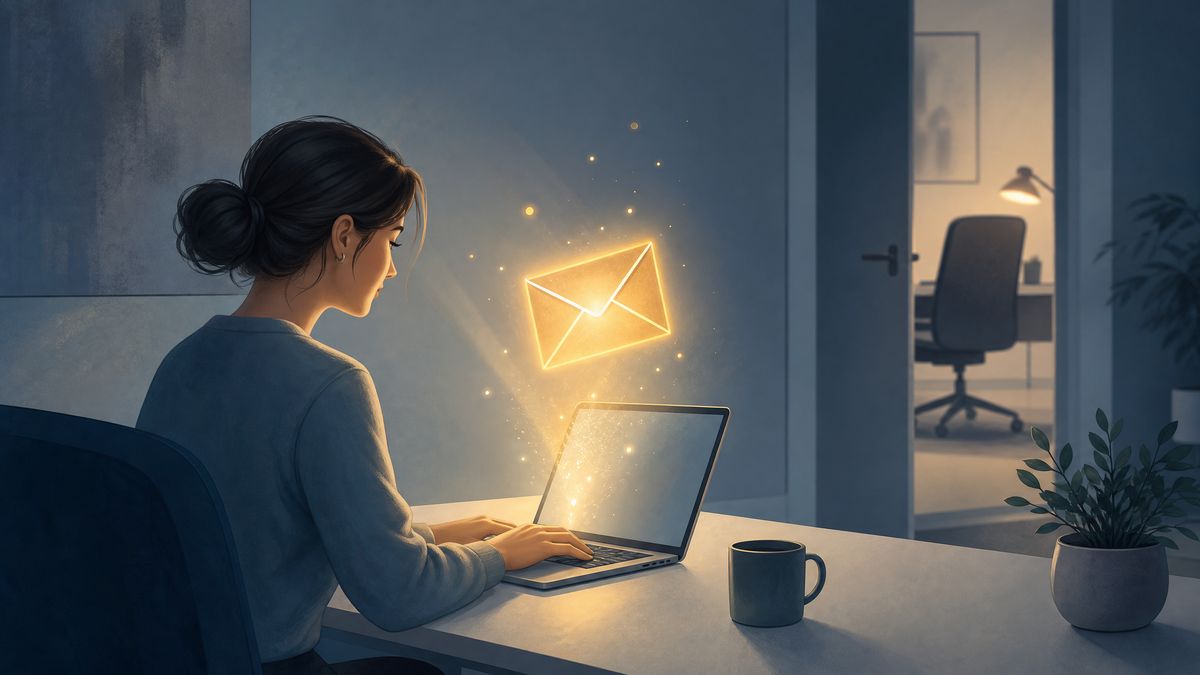
A great follow-up email isn't about expressing gratitude. It's about demonstrating competence and extending the interview.
The "Value-Add" Follow-Up
The best candidates use the follow-up email to prove they were actively listening and are already thinking about the company's problems.
Instead of a generic thank you, send a "Value-Add" email. This email does three things:
1. References a specific challenge discussed in the interview.
2. Provides a brief, actionable thought or resource related to that challenge.
3. Reaffirms interest without being desperate.
The Anatomy of a Perfect Follow-Up
Here is an example of an email that actually moves the needle:
Hi Sarah,
Really enjoyed our conversation today. I've been thinking about what you mentioned regarding the drop-off rate in the user onboarding flow.
At my last company, we saw a similar bottleneck. We ended up moving the email verification step to post-checkout rather than pre-signup, which increased completion by 18%. I linked a quick teardown of how we structured it here [Link] in case it's useful for your team's current sprint.
Would love the opportunity to tackle these kinds of growth challenges with your team. Let me know if you need any additional context from me.
Best,
Alex
Why does this work? It proves you understand their immediate pain point. It shows you have relevant experience. And most importantly, it provides free value before you even have the job. It shifts your positioning from "candidate asking for a job" to "consultant offering a solution."
Timing and Execution
When to send it: Send it within 24 hours, but not within 2 hours. If you send it immediately, it looks pre-written. Sending it the next morning shows you took time to reflect on the conversation.
Who to send it to: If you had a panel interview, do not send a mass email to all four interviewers. Send individual emails, and reference a specific point from your conversation with each person. If you don't have their emails, ask the recruiter to forward your messages to the team.
When you messed up: The follow-up email is also your one chance to fix a botched interview question. If you froze on a technical question or gave a weak answer to a behavioral prompt, address it briefly. "After our call, I realized I didn't fully explain my approach to X. Just to clarify, I would actually structure the database this way..." It shows self-awareness and persistence.
Startups move fast and hire people who take initiative. Your follow-up email is your first chance to prove you are one of those people.