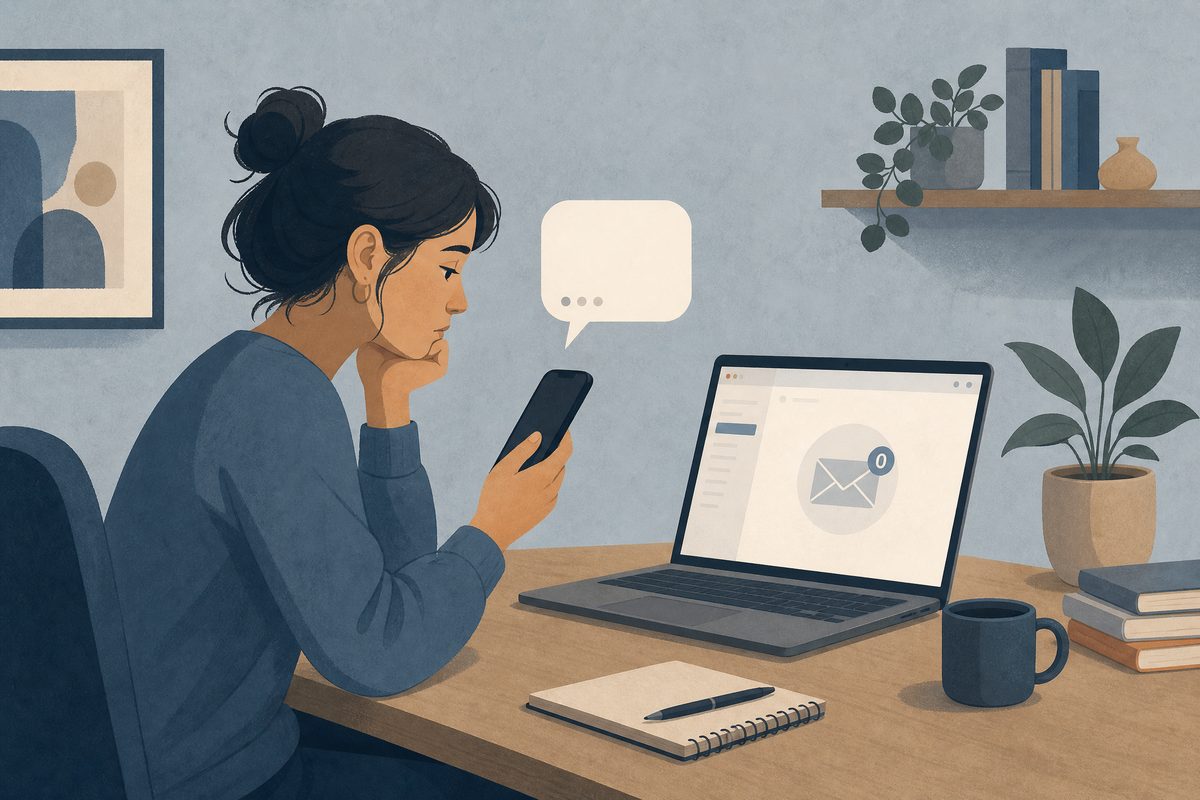
Friday came and went. Then Monday. By Wednesday, she was drafting a follow-up email that read like a hostage negotiation: "I know you are very busy, but I just wanted to check in to see if perhaps you had any updates on my candidacy..."
I told her to delete it. When a recruiter ghosts you, candidates usually assume the worst: they hated me, I failed the technical, they hired someone else. But having sat next to recruiting teams at three different startups, I can tell you the reality is usually much dumber.
Why they actually ghosted you
At a big tech company, ghosting is usually a process failure. At a startup, ghosting is almost always a priority failure. Startups do not have massive recruiting coordination teams. The person managing your interview schedule is likely juggling 15 open roles, onboarding two new hires, and trying to fix the HR software.
Here are the three most common reasons you haven't heard back:
- The "Maybe" Pile: They liked you, but they are interviewing two more people next week and want to compare. Telling you this feels awkward, so they say nothing.
- Internal Chaos: The hiring manager got pulled into a critical product launch and hasn't submitted their feedback scorecard yet. The recruiter cannot move forward without it.
- Headcount Freeze: The CFO just told the VP of Engineering to pause hiring for this specific role while they rework the Q3 budget. No one knows what to tell the candidates yet.
Notice what isn't on that list? "They decided to reject you but want to make you suffer." If they know it's a hard no, they will usually just send the automated rejection email. Silence usually means indecision or chaos.
The exact timeline for following up
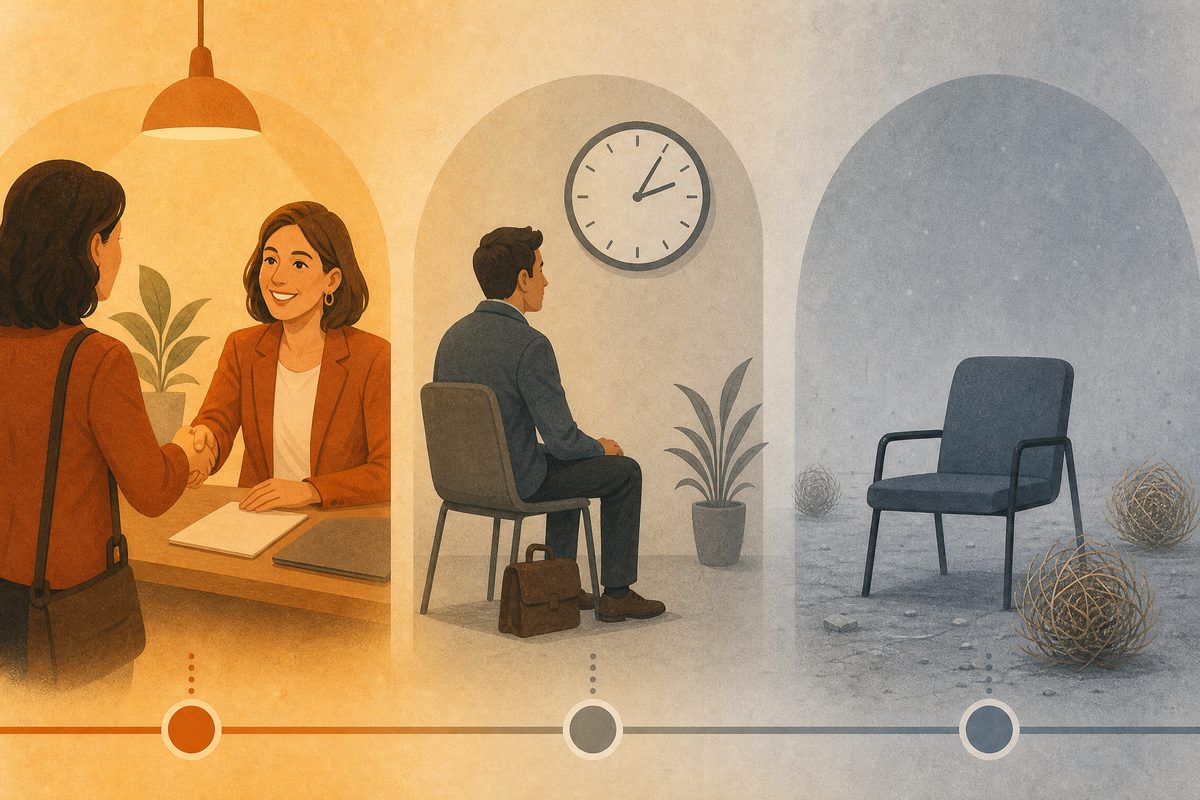
The biggest mistake candidates make is following up too early, which makes you look desperate, or following up too late, which makes you look disinterested. Here is the exact timeline you should use.
The "Plus Two" Rule: If they gave you a specific day ("I'll let you know by Friday"), wait two full business days after that deadline before reaching out. If Friday was the deadline, send your email on Tuesday afternoon.
If they didn't give you a deadline ("We'll be in touch soon"), wait exactly one week from your last interview.
How to write the follow-up email
Your follow-up needs to accomplish two things: bump the thread to the top of their inbox, and give them an easy out if they are still deciding. Do not apologize for emailing them. Do not write a paragraph reiterating your interest. Keep it brutally short.
Here is the template I had my mentee send:
"Hi [Name],
Checking in on the status of the Frontend Engineer role. Let me know if you need any additional information from me or if you're still finalizing next steps.
Best,
[Your Name]"
Why this works: It's polite, it's direct, and the phrase "still finalizing next steps" gives the recruiter a perfect excuse to reply with, "Yes, we are still finalizing things, I'll have an update next week."
When to walk away
If you send that email and hear nothing for another four business days, send one final message. This is the "close the loop" email.
"Hi [Name],
I haven't heard back, so I'm assuming you've moved forward with other candidates. It was great meeting the team. Keep me in mind for future roles."
I have seen this specific email trigger an immediate, apologetic phone call with an offer. Sometimes, the recruiter literally just forgot, and seeing you politely walk away creates instant urgency. And if they don't reply to this one? You have your answer, and you can mentally close the tab.
My mentee sent the first template on a Tuesday. The recruiter replied 20 minutes later apologizing—the VP of Engineering had been out sick. She got the offer that Thursday.